
Environmental
Monitoring
Through Practice
Oakpartners builds practical skills in environmental monitoring through structured workshops, real instrumentation scenarios, and hands-on data interpretation exercises — not lectures.
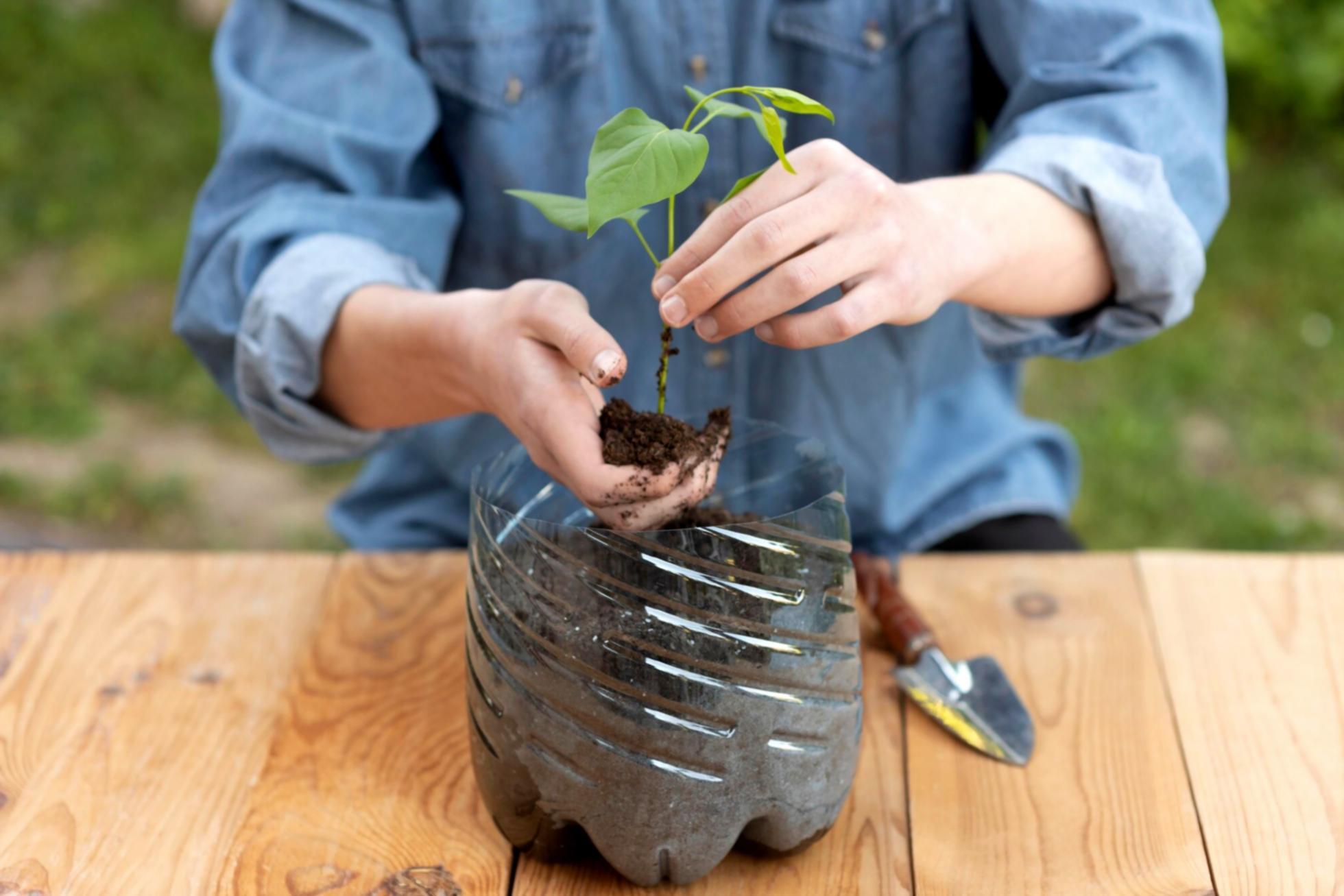

Monitoring Skills, Not Theory
7+ Years of active workshops

The Problem We Address
Environmental monitoring is a discipline where procedural knowledge degrades quickly without application. Reading about sensor calibration or atmospheric sampling is a poor substitute for doing it — and most educational programmes treat it as sufficient. oakpartners was built around the opposite assumption.
How Workshops Are Structured
Each workshop follows a step-by-step assignment format. Participants work through real monitoring scenarios — selecting appropriate equipment, interpreting sensor data, identifying measurement errors, and producing field-ready reports. Exercises are sequenced so that each builds directly on the previous one.
Who the Platform Serves
Oakpartners serves environmental technicians, field researchers, and graduate students who need to develop or consolidate practical monitoring skills. The platform is accessible from any region, with all materials delivered online through a structured, self-paced format.
Those Who Run the Workshops
Oakpartners's instructors come from field practice, not from academic administration. Each brings direct experience in environmental measurement, data quality assurance, or monitoring system design.
Oisín Farrell
Lead Instructor — Field MeasurementOisín spent eight years conducting air quality surveys across Atlantic coastal sites before joining Oakpartners. He designs the sensor calibration and atmospheric sampling modules.

Sorcha Ní Bhriain
Instructor — Data InterpretationSorcha's background is in water quality monitoring and statistical error analysis. She leads the data interpretation exercises and the field reporting assignments.
A Small Team, Deliberate by Design
Oakpartners operates with a compact instructional team so that workshop quality stays consistent and each participant gets meaningful feedback rather than automated responses.
How a Workshop Runs
Each workshop is divided into discrete stages. Participants move through them in sequence, completing assignments at each stage before progressing. There is no passive content — every module requires an output.
Scenario Briefing
Each workshop opens with a defined monitoring problem — a site, a set of parameters to measure, and a reporting requirement. Participants read the brief and identify the appropriate methodology before any practical work begins.
Equipment Selection
Participants choose from a set of instruments and justify their selection in writing. Incorrect choices are flagged with explanation, not just a score. The exercise reflects real field decision-making under resource constraints.
Data Collection
Simulated sensor outputs are provided for interpretation. Participants log readings, identify anomalies, and apply calibration corrections. The datasets include deliberate measurement errors that must be detected and documented.
Field Report
The final assignment is a structured field report submitted for instructor review. Reports are assessed against standard environmental monitoring documentation criteria, with written feedback provided individually.